Hot melt adhesives remain a dependable solution across many industrial applications, including packaging, product assembly, woodworking, Tape & Label, and Wire & Cable.
But as material costs rise, adhesive waste becomes harder to ignore.
For many manufacturers, the issue is not only what hot melt costs per pound. It is how much usable adhesive is lost through inefficient handling, inconsistent delivery, cleanup, and residual material left behind in drums.
Manufacturers may not be able to control hot melt pricing, but they can often improve how efficiently adhesive is recovered, handled, and delivered through the production process.
Where Hot Melt Waste Happens
Hot melt waste can build up quietly through small inefficiencies that repeat across shifts, batches, and production runs.
Common sources of waste include:
- over-application beyond what is needed for a strong bond
- stringing or dripping during dispensing
- inconsistent output from outdated or poorly matched equipment
- adhesive degradation from poor temperature control
- unnecessary cleanup and purging
- usable material left behind in drums
That last point is often overlooked.
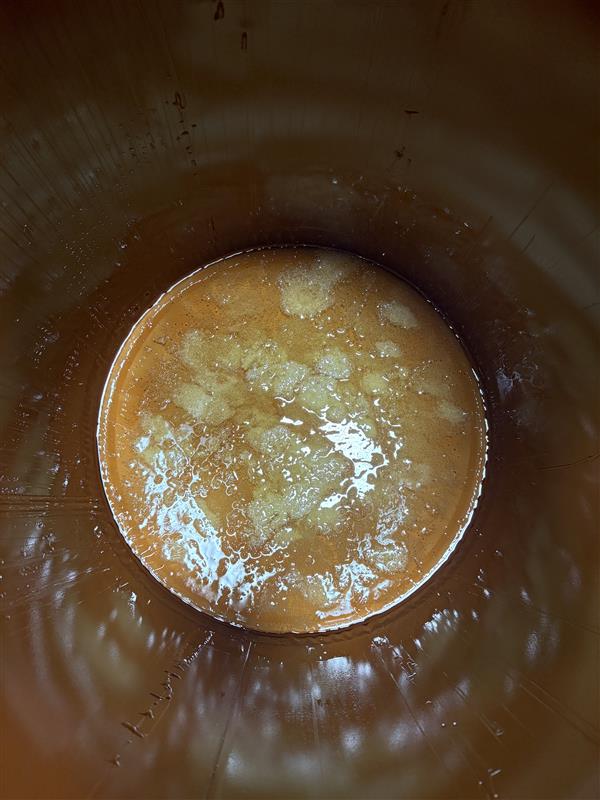
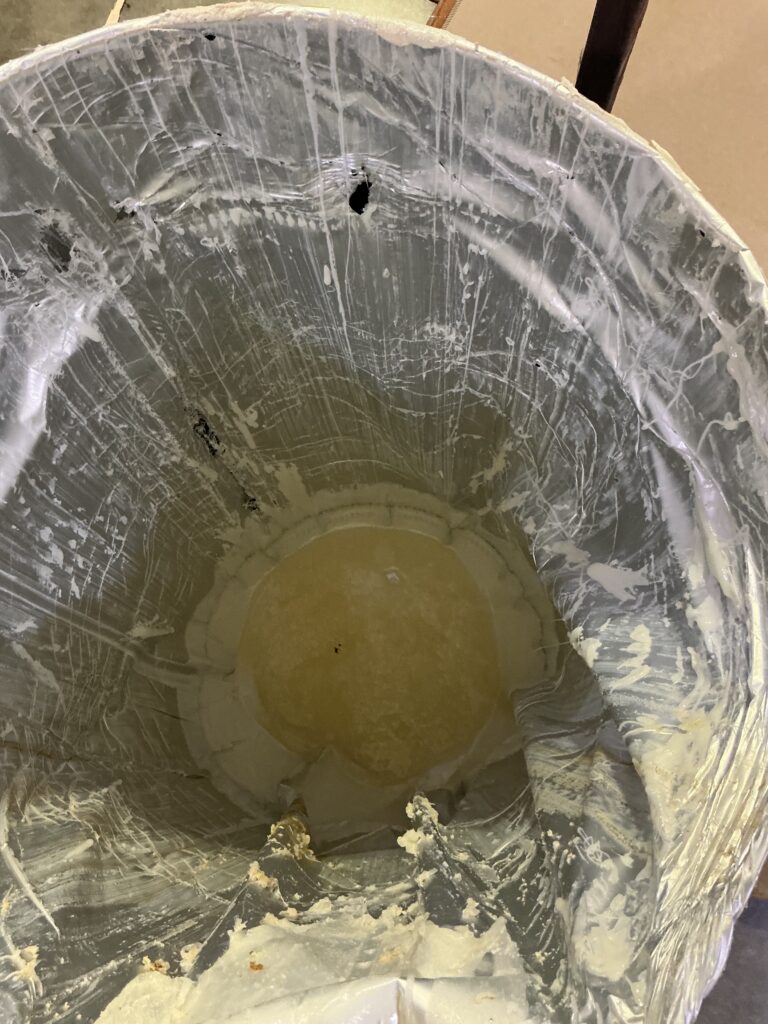
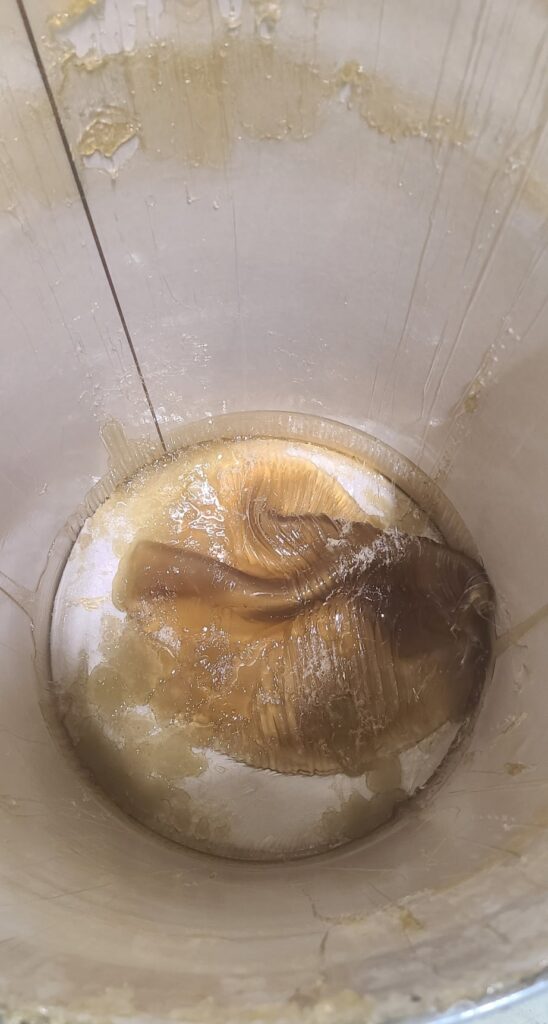
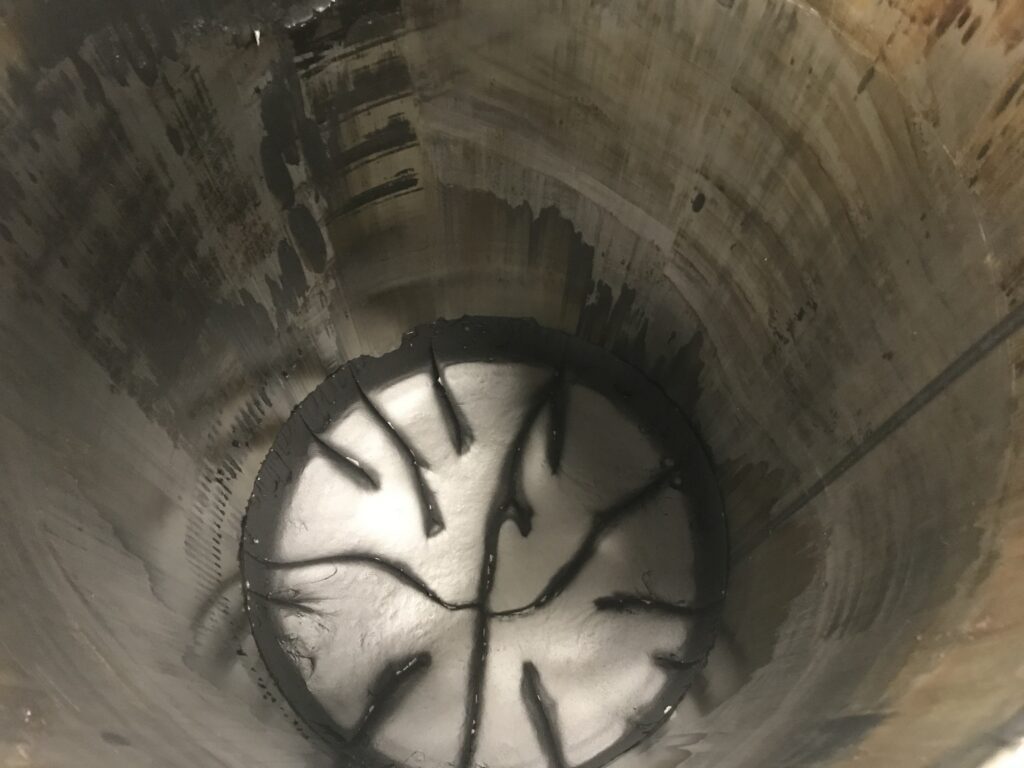
Traditional drum handling methods may leave 15–20 pounds of usable hot melt behind in each container. Across multiple drums, lines, or facilities, that lost material can become a meaningful cost.
Material Recovery Matters More When Costs Rise
When adhesive costs are lower, some waste may be accepted as part of the process. But when hot melt becomes more expensive, recovering more usable material from each drum can make a real difference.
Better material recovery can help manufacturers:
- get more usable adhesive from each drum
- reduce disposal and cleanup
- improve consistency in material delivery
- reduce manual handling
- support more predictable production
This matters in any high-volume production environment. It may be especially important in applications where adhesive performance, flow consistency, and uptime directly affect product quality.
Waste Can Start Before the Application Point
When manufacturers think about adhesive efficiency, the focus often goes straight to the dispensing head, nozzle, coating station, or application point.
That focus makes sense. Precision application matters.
But adhesive waste can begin earlier in the process.
If material is not fully recovered from the drum, delivered consistently, held at the right temperature, or protected from contamination and air entrapment, the downstream application system may already be working at a disadvantage.
That is why adhesive handling before the application point deserves attention.
A more efficient hot melt process should consider:
- how material is removed from the drum
- how consistently it is delivered to downstream equipment
- how temperature is controlled
- how much usable adhesive is left behind
- how much cleanup is required
- how well the system supports continuous production
Improving these upstream factors can help reduce waste before it reaches the point of application.
How Uniflow Drum Unloaders Help
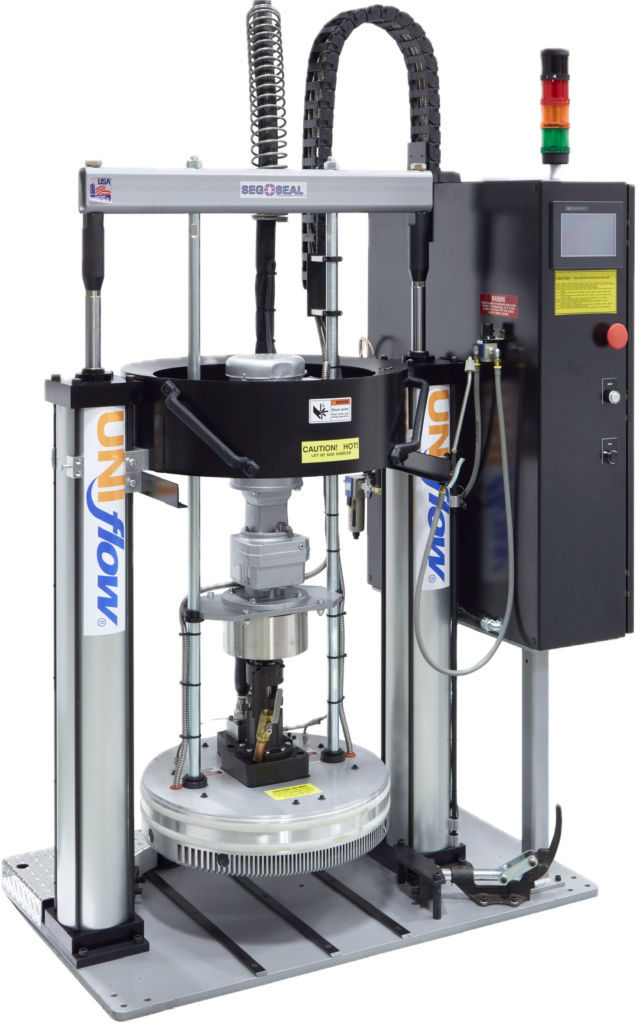
Uniflow hot melt drum unloaders are designed to help manufacturers recover more usable adhesive from standard 55-gallon drums and deliver that material in a controlled, consistent way to downstream dispensing systems.
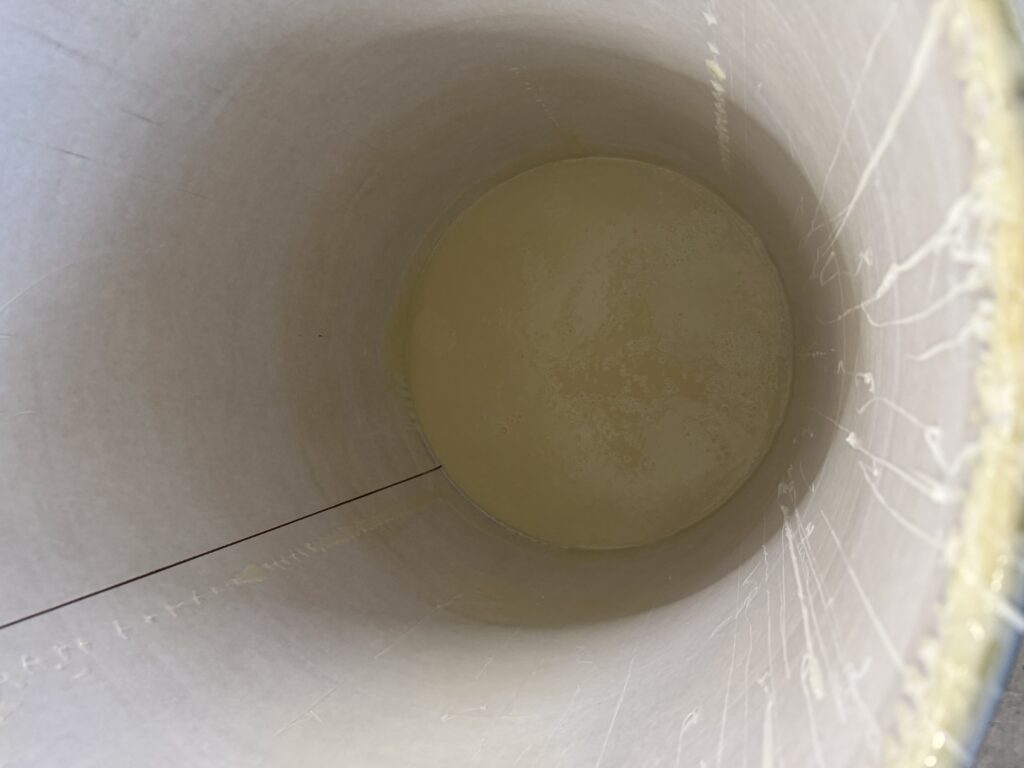
Uniflow systems are designed to extract up to 99.5% of hot melt from a standard 55-gallon drum. Compared with conventional methods that may leave usable material behind, this level of recovery can help reduce waste and improve the economics of each drum used in production.
Depending on the application, Uniflow drum unloaders can help manufacturers:
- reduce residual adhesive left in drums
- provide consistent, controlled flow to downstream systems
- minimize air entrapment and contamination
- reduce manual handling and cleanup
- help maintain adhesive integrity
The value is not only in recovering more material. It is also in creating a more controlled and reliable adhesive handling process.
Hot Melt Costs May Be Outside Your Control. Waste Is Not.
Manufacturers cannot always control the market forces that affect adhesive costs.
But they can look closely at how hot melt is being used inside their own facilities.
If usable adhesive is being left behind in drums, lost through inefficient handling, or wasted because of inconsistent delivery, those are areas worth reviewing.
As hot melt becomes more expensive, the question becomes simple:
How much usable material are you willing to leave behind?
For manufacturers focused on reducing waste, improving consistency, and getting more value from every drum, better adhesive handling is a practical place to start.